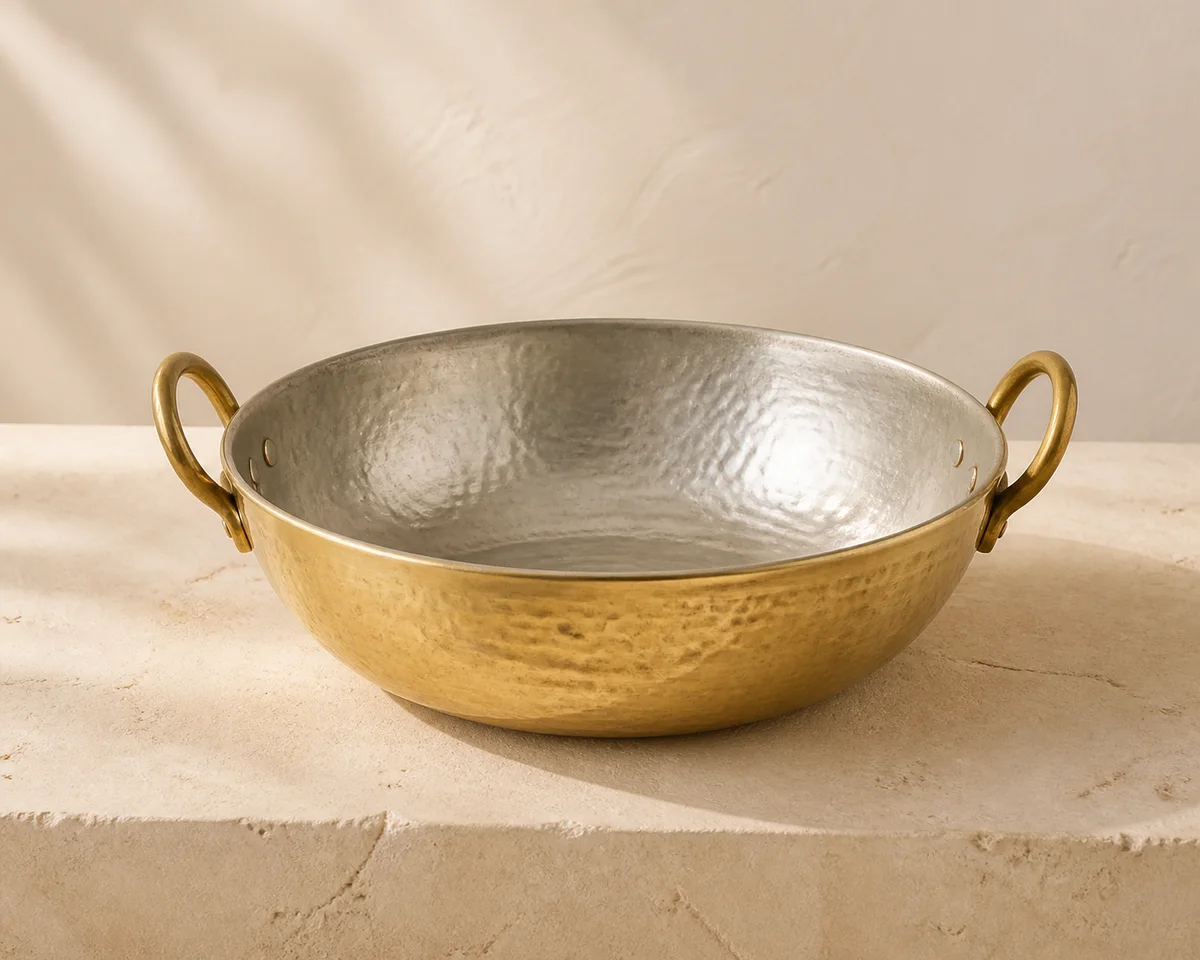
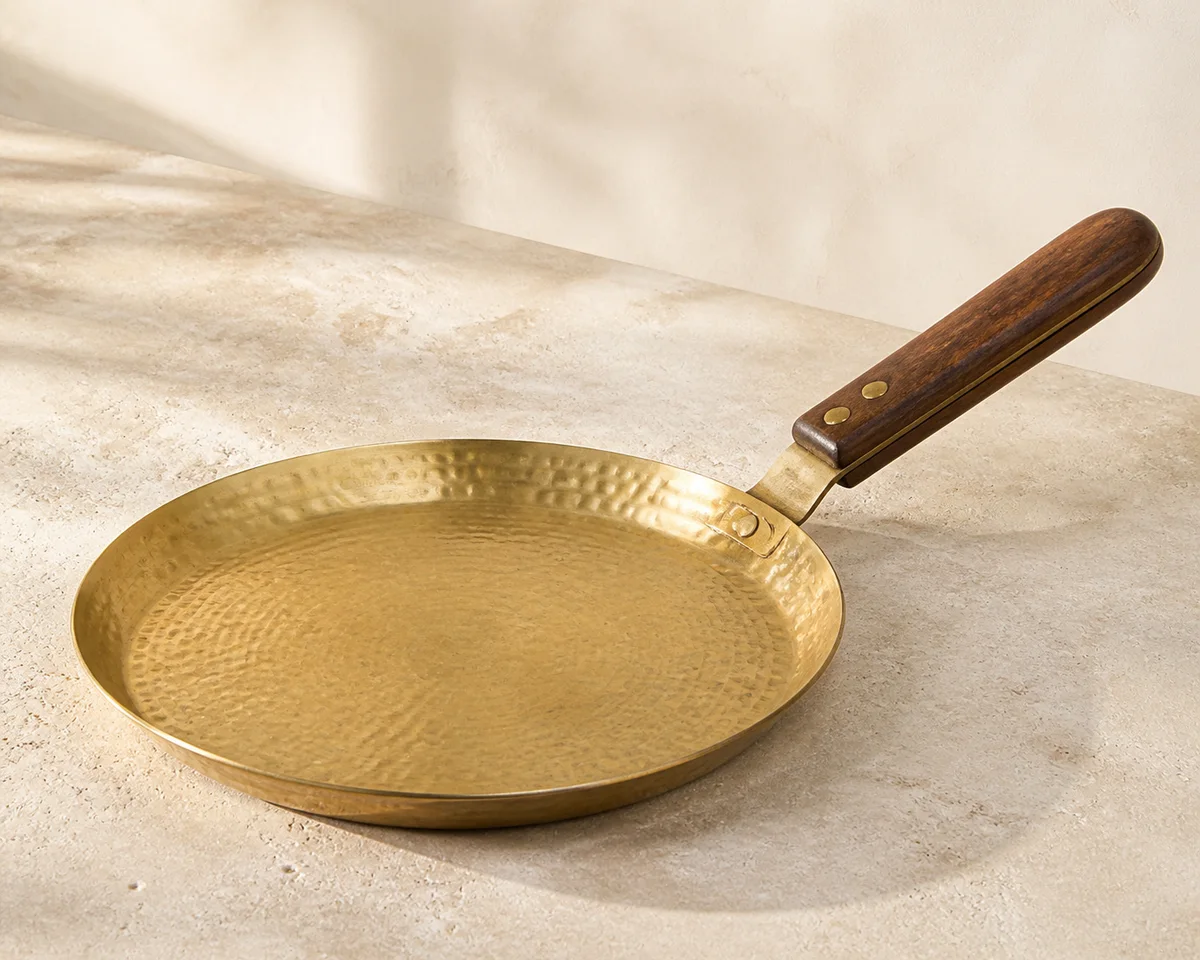
Diwali-week vessels emerge armoured: syrup layers cooled into amber cement that laughs at ordinary washing. Chemistry and patience dissolve what scrubbing cannot.
Why sugar armour forms so hard:
Hot syrup penetrates micro-textures, then recrystallises while cooling into continuous bonded layers. Reheating cycles between batches fuse them further.
The dissolution sequence:
Warm water soak first, hours not minutes: sugar's solubility does most work if given time. Hot-but-not-boiling water accelerates safely.
Simmer-revive for stubborn cases: water in vessel, gentle heat, syrup re -dissolving from its own warmth. Scrape nothing while hot; let chemistry work.
Baking-soda assist: mild alkalinity breaks caramelised bonds mechanical force can't reach. Simmer ten minutes, rest overnight.
The wipe stage:
Nylon scrapers on warm softened surfaces remove sheets intact. Steel tools stay banned permanently; they trade one problem for permanent scratches.
Final wash follows normal routine once armour lifts fully.
Prevention architecture for next season:
Between-batch quick rinses: sixty seconds per cycle prevents layer-fusion. The marathon's real secret is interruption.
Dedicated sweet-vessels identified early: assign your easiest-cleaning pieces to sugar duty deliberately.
Immediate post-festival soak ritual: before sleep on final day, everything soaks. Morning-you inherits dissolving syrup instead of cement.
Vessel rotation note:
Syrup duty is hard duty; rotate assignments across years so no single vessel absorbs every festival's punishment.
Sugar rewards patience twice: once while making sweets, once cleaning up. Pay both times willingly.
Amber syrup layer dissolving in warm water bath inside soaking vessel.