Perfect kitchens intimidate their owners into underuse. Perfectionism masquerades as standards while functioning as fear.
How perfectionism manifests:
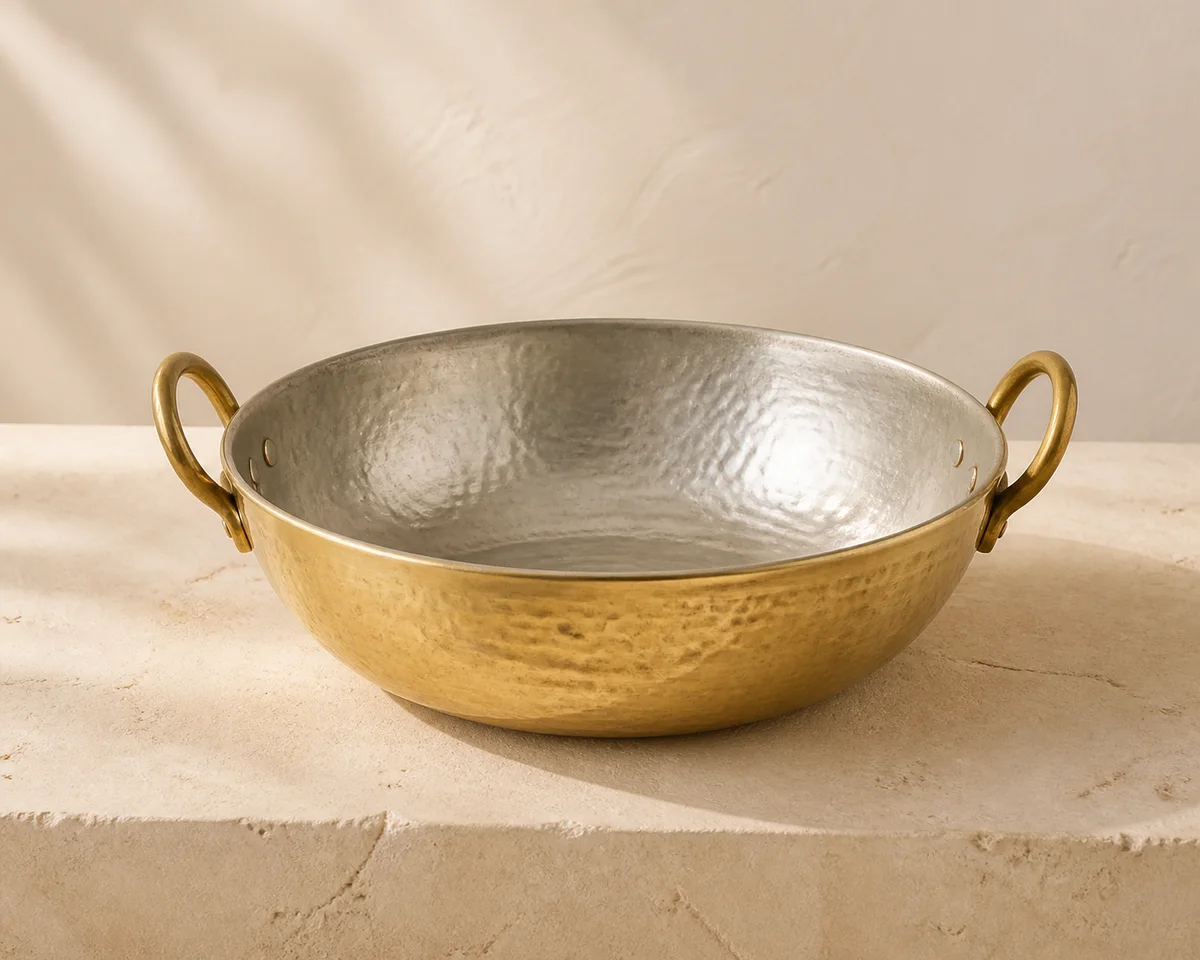
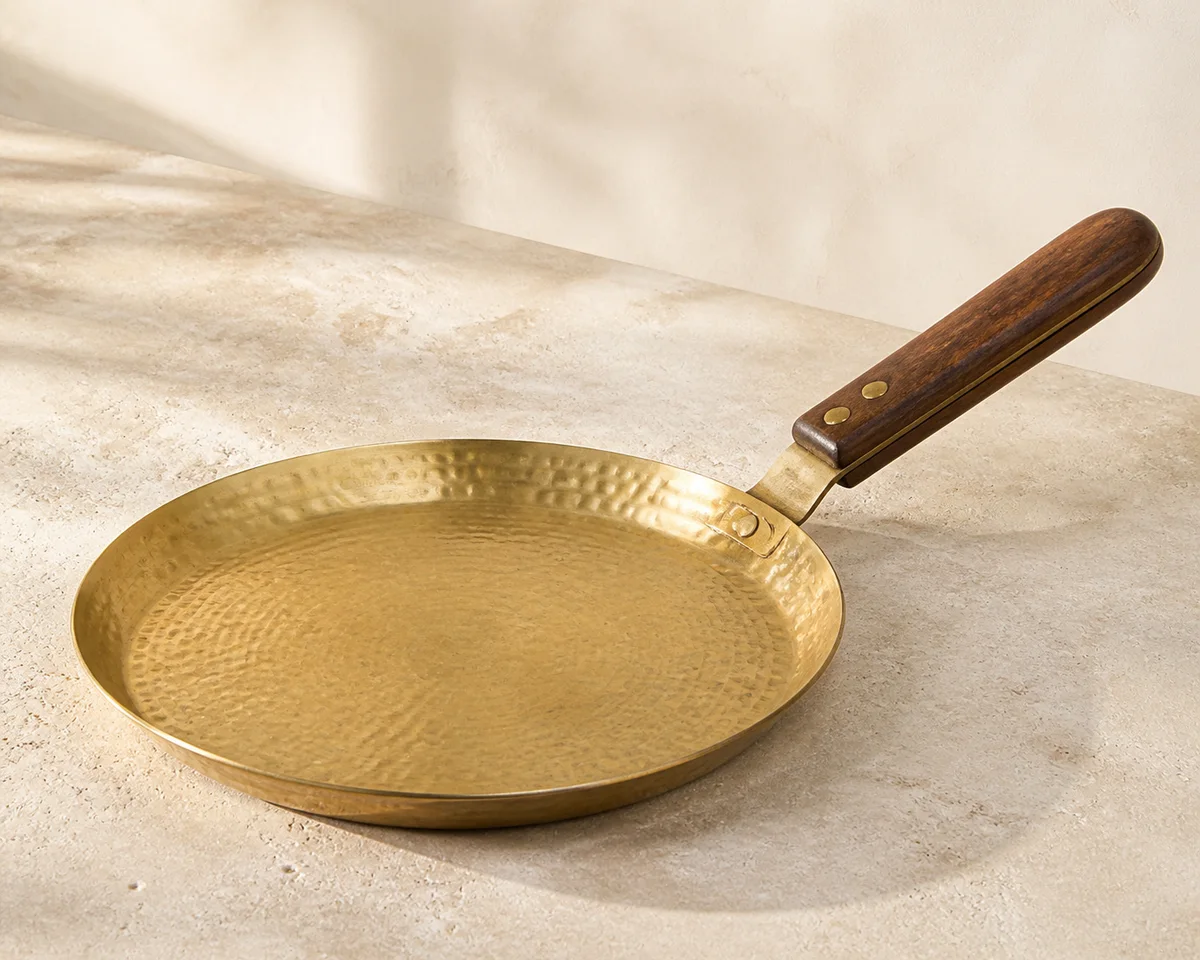
Vessels too precious for daily duty: display shelves full, working drawers empty.
Recipe avoidance: ambitious dishes risk imperfection; safe repetitions protect appearances.
Guest-performance cooking: real meals happen alone with forgiving leftovers; company triggers catering anxiety.
Cleaning spirals: maintenance consuming hours that cooking deserves instead.
The hidden costs tallied:
Skill stagnation: unfired vessels never teach their lessons. Comfort zones produce permanent beginners.
Joy displacement: anxiety replaces pleasure as kitchen's dominant emotion. Meals fuel obligation rather than creativity.
Relationship distortion: family members excluded from "perfect" spaces learn kitchens are museums, not homes.
What lived-in excellence looks like instead:
Working patina proudly displayed: use-marks as honour badges rather than shame evidence.
Failed experiments processed without crisis: burnt Tuesday becomes Wednesday's story, not identity crisis.
Delegated participation: children and partners welcomed into imperfect assistance gladly.
Standards maintained where they matter:
Food safety never negotiable: cleanliness serving health stays absolute.
Equipment respect continues: care routines persist, perfection performance doesn't.
The philosophical correction:
Kitchens exist to feed life, not to impress life. Utility outranks aesthetics whenever they conflict genuinely.
Perfectionism's roots often lie elsewhere entirely: control needs, comparison habits, inherited criticism. Kitchens merely host these battles.
Feed people well, maintain reasonably, forgive daily. That's the whole religion, and it fits any kitchen.
Lived-in kitchen mid-cooking with flour dust and satisfied cook smiling.