Bihu mornings in Assam smell of toasting rice flour. Pitha-making turns households into small production lines, each family guarding its variations of these beloved rice cakes.
The core cast:
Til pitha wraps toasted black-sesame and jaggery filling inside thin rice sheets rolled while warm.
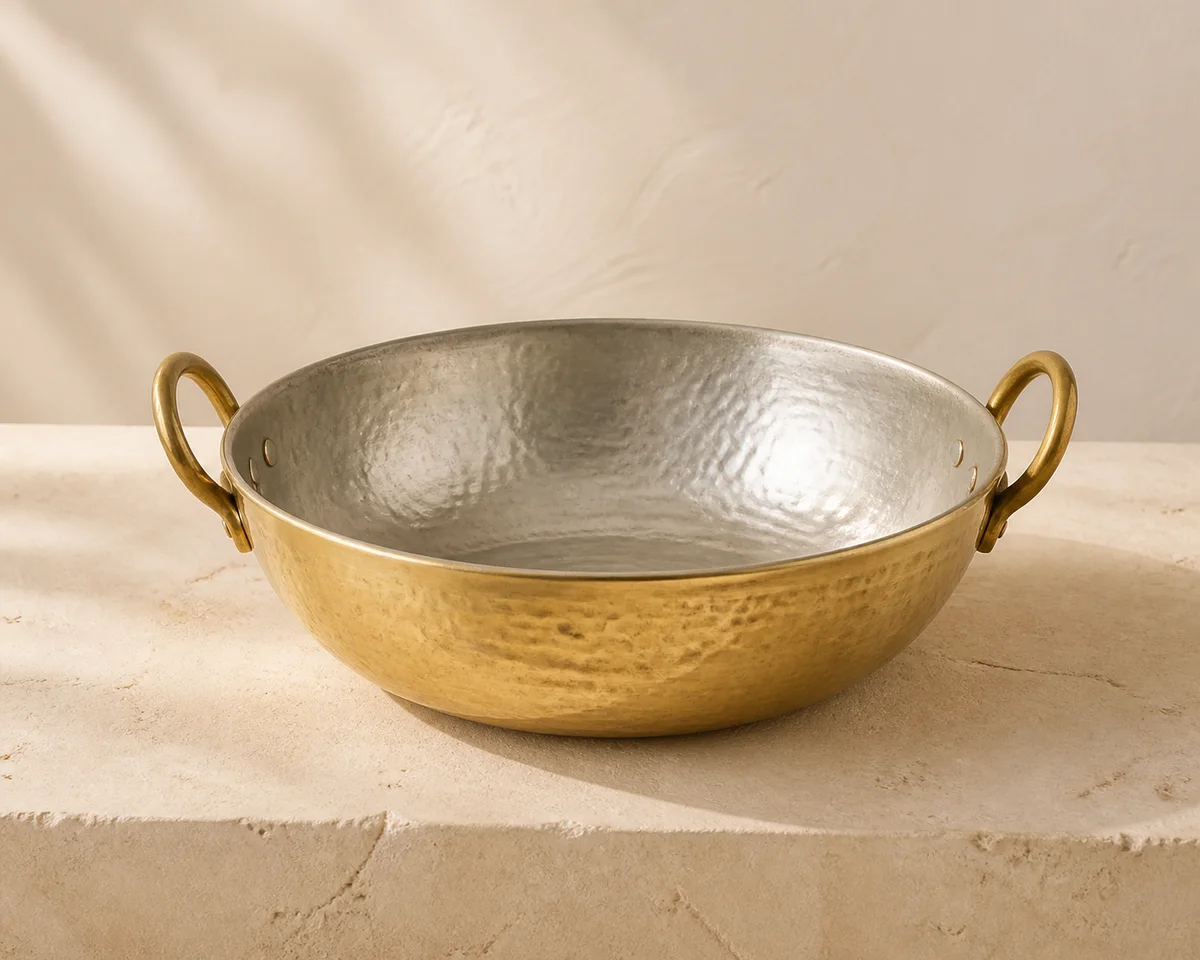
Ghila pitha fries spiced batter into golden rounds, oil temperature deciding everything.
Tekeli pitha steams over pot mouths, batter rising inside covered vessels.
Sunga pitha fills bamboo tubes roasted whole, the most theatrical method.
Why the griddle matters so much:
Rice-based batters behave differently from wheat: no gluten forgiveness, instant response to surface heat, browning windows measured in heartbeats.
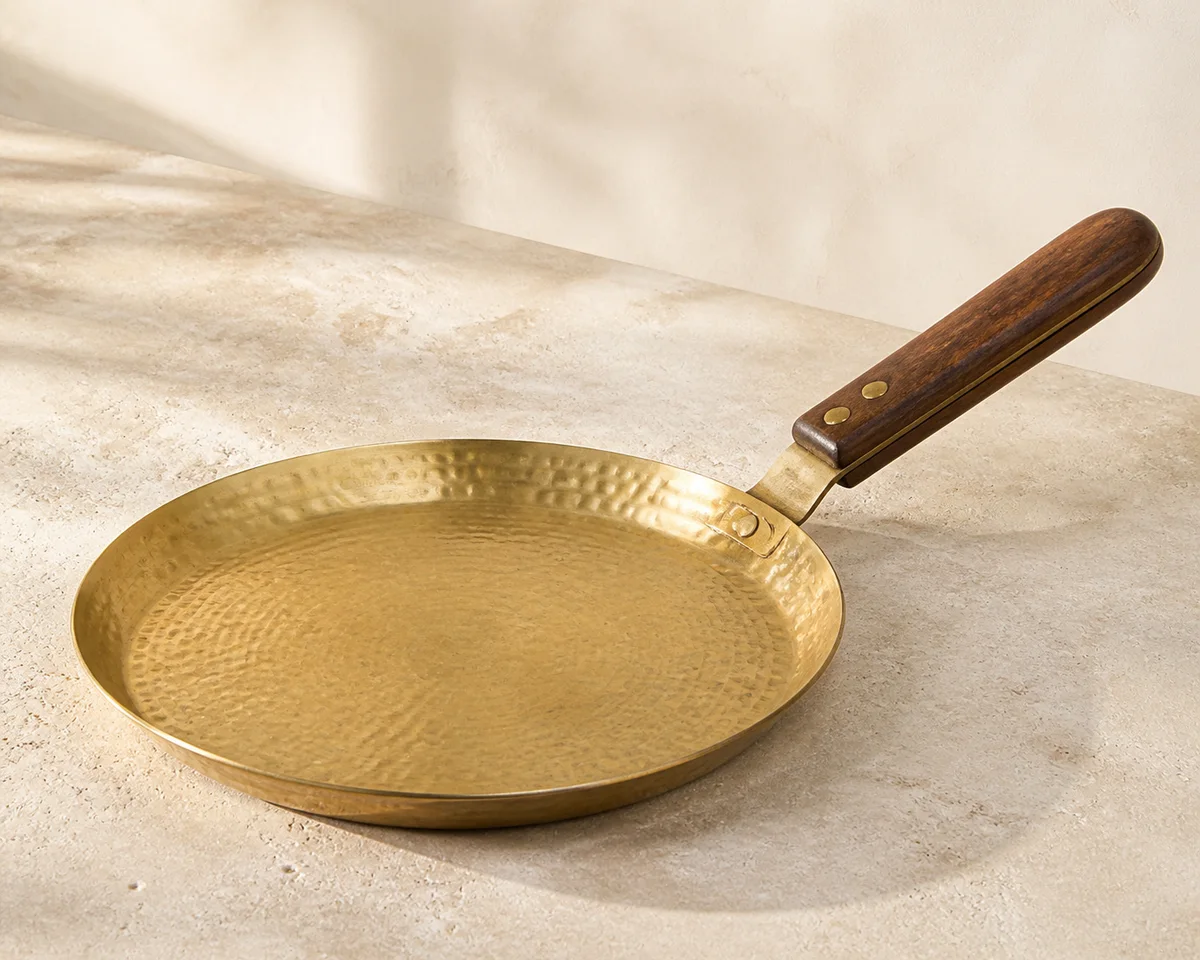
Even-heating surfaces decide success; scorching griddles ruin sheets before flipping becomes possible. Households prize their old tawas accordingly.
Texture judgement happens partly by sound: the right toast announces itself before eyes confirm it. Experienced makers listen mid-conversation.
Oral transmission:
Recipes here live in demonstration more than notation. Daughters learn by doing beside mothers, hand-feel replacing measurement cups. Written versions exist but carry less authority than memory.
Bihu context matters:
Rongali Bihu marks the Assamese new year and spring's arrival; pitha production feeds visitors flowing through open houses for days. Batch thinking is built into tradition.
Try-at-home guidance:
Start with til pitha: no frying, forgiving assembly, impressive results. Roast flour thoroughly, roll warm, seal edges while heat cooperates.
Regional foods reward respect over perfection. Your first pitha will be rustic; your tenth will taste like someone's childhood.
Golden til pitha rolls stacked beside hot griddle and sesame filling.